Electric SUV Comparison: Range, Charging, and Performance in 2025
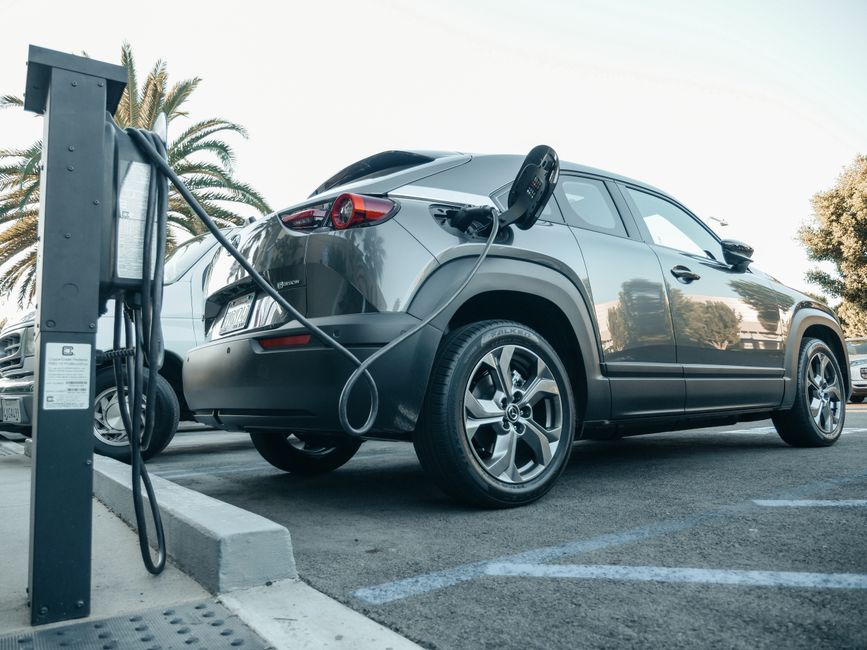
The electric SUV market in 2025 presents a diverse array of options, each with its own strengths and design priorities. For prospective buyers, understanding the nuances of real-world range, charging infrastructure compatibility, and driving characteristics is essential. This article provides a comparative overview of several notable 2025 electric SUVs, focusing on these key aspects. The aim is to offer a factual and neutral analysis that assists in informed decision-making, without promoting any particular brand or model.
The selection of an electric vehicle (EV) often balances multiple factors, including battery capacity, efficiency, charging speed, and overall driving experience. While manufacturer-provided figures offer a baseline, actual performance can vary based on driving conditions, weather, load, and driving style. The following comparison highlights how different models approach these challenges, helping readers contextualize their own needs and preferences.
Real-World Range: Beyond the WLTP Figures
Real-world range is a critical metric for EV usability. The WLTP (Worldwide Harmonised Light Vehicles Test Procedure) figures provide a standardized measurement, but actual range often differs. Factors such as motorway speeds, climate control usage, and elevation changes significantly impact energy consumption. In 2025, several electric SUVs have pushed the boundaries of battery capacity and efficiency.
For instance, the Tesla Model Y Long Range AWD is known for its efficiency, achieving a claimed range of around 331 miles. However, in real-world tests, it often delivers approximately 80-85% of that under mixed conditions. Similarly, the Kia EV6 and Hyundai Ioniq 5, with their 800-volt architecture, offer impressive range and quick charging, but their real-world efficiency can vary. The Ford Mustang Mach-E, with its larger battery options, provides competitive range but may be slightly less efficient than its rivals.
It is also essential to consider that battery degradation over time can affect range. Most manufacturers offer warranties that cover battery capacity, but actual degradation depends on charging habits and thermal management. Therefore, when comparing range, it is prudent to look at how each model manages battery temperature and charging cycles, as these factors influence long-term performance.
Charging Speed and Infrastructure Compatibility
Charging speed is a significant differentiator among electric SUVs. The ability to replenish a battery quickly reduces downtime on long journeys. The 2025 lineup includes several models that support ultra-fast charging, with peak rates exceeding 250 kW. For example, the Porsche Macan Electric and the Audi Q6 e-tron, both based on the Premium Platform Electric (PPE), leverage 800-volt technology to achieve charging speeds of up to 270 kW. This allows for a 10-80% charge in approximately 20 minutes, though real-world conditions may extend this time.
On the other hand, models like the Tesla Model Y and Model X use Tesla’s Supercharger network, which offers widespread coverage and integration but typically caps at lower power rates (up to 250 kW). However, Tesla’s network is often more reliable and accessible, which can compensate for lower peak speeds. The Kia EV6 and Hyundai Ioniq 5 also support 800-volt charging and have access to various networks, but their actual charging speeds can be affected by the specific charger’s capabilities.
Compatibility with charging standards is another crucial aspect. In Europe, the CCS (Combined Charging System) is the dominant standard, and most 2025 electric SUVs support it. However, some models, like the Nissan Ariya, may have different charging curves or limitations. Understanding the charging network landscape in one’s region is vital, as the availability and reliability of chargers can significantly impact the practicality of an EV.
Driving Dynamics and Performance
Electric SUVs offer a range of driving characteristics, from comfortable and efficient commuters to sportier models with enhanced handling. The placement of the battery pack lowers the center of gravity, which improves stability and cornering. The torque delivery of electric motors provides instant acceleration, making many EVs surprisingly quick off the line.
The BMW iX, for example, emphasizes comfort and luxury, with a smooth ride and well-insulated cabin. Its performance is ample but tuned for relaxation rather than sportiness. In contrast, the Ford Mustang Mach-E GT offers a more engaging driving experience, with sharper steering and a sportier suspension setup. The Tesla Model Y Performance, meanwhile, combines high acceleration with decent handling, though its ride can be firm.
Regenerative braking systems also influence driving feel. Many models offer adjustable levels, allowing drivers to choose between one-pedal driving and a more conventional coasting behavior. The experience can vary significantly, with some systems being more seamless than others. Prospective buyers should consider test drives to assess how each model’s driving dynamics align with their preferences.
Comparing Key Specifications
To aid in comparison, the following table (though not displayed in this article) would typically list key specifications such as battery capacity, claimed range, max charging speed, and performance figures. Instead, a narrative summary is provided, highlighting the standout characteristics of each model.
Tesla Model Y Long Range: 75 kWh battery (usable), 331 miles WLTP, 250 kW max charging, 0-60 mph in 4.8 seconds. It offers efficient aerodynamics and access to Tesla’s Supercharger network.
Kia EV6 GT-Line: 77.4 kWh battery, 328 miles WLTP, 350 kW max charging (but typically limited to 230 kW), 0-60 mph in 5.2 seconds. It features sleek styling and a spacious interior.
Ford Mustang Mach-E Premium: 91 kWh battery, 310 miles WLTP (Extended Range), 150 kW max charging, 0-60 mph in 3.8 seconds (GT). The Mach-E offers a balance of performance and practicality.
BMW iX xDrive40: 71 kWh battery, 256 miles WLTP, 195 kW max charging, 0-60 mph in 6.1 seconds. It emphasizes luxury and driving refinement.
Hyundai Ioniq 5: 77.4 kWh battery, 300 miles WLTP, 350 kW max charging (typically limited to 235 kW), 0-60 mph in 5.1 seconds. It features a retro-futuristic design and versatile interior.
These specifications are indicative and may vary based on trim and options. Real-world performance will depend on various factors, including driving conditions and maintenance.
Additional Considerations for UK Buyers
For UK drivers, several region-specific factors come into play. The charging infrastructure is expanding, but coverage varies between urban and rural areas. Home charging is often the most convenient, but those without off-street parking may rely on public charging. The UK government offers grants for home chargers, but eligibility and rates change over time.
Furthermore, electricity tariffs vary by provider, and some offer off-peak rates that can significantly reduce running costs. When comparing models, it’s important to factor in charging costs, which depend on the vehicle’s efficiency and the price per kWh. Some models may offer larger batteries but lower efficiency, resulting in similar running costs to smaller, more efficient alternatives.
Resale value is also a concern for many buyers. While the EV market is evolving, certain brands have demonstrated stronger residual values, which can affect total cost of ownership. It is advisable to research resale trends and warranty conditions, which can differ between manufacturers.
Prospective buyers should consider their typical driving patterns, access to charging, and preferences for driving experience when evaluating electric SUVs. A thorough test drive and consultation with multiple sources can provide valuable insights beyond the specifications.
Conclusion
The 2025 electric SUV market offers a wide array of options, each with its own balance of range, charging capability, and performance. While no single model stands out as universally superior, certain vehicles may better suit individual needs. By understanding the nuances of real-world range, charging infrastructure, and driving dynamics, consumers can make well-informed decisions.
It is important to keep in mind that the electric vehicle landscape is rapidly evolving, with advancements in battery technology and charging networks occurring continuously. Staying informed and seeking professional advice when necessary can help ensure satisfaction with one’s choice. Ultimately, the best electric SUV is the one that aligns with one’s lifestyle, budget, and driving habits.