Autonomous Trucking: Economic and Regulatory Hurdles to Commercialization
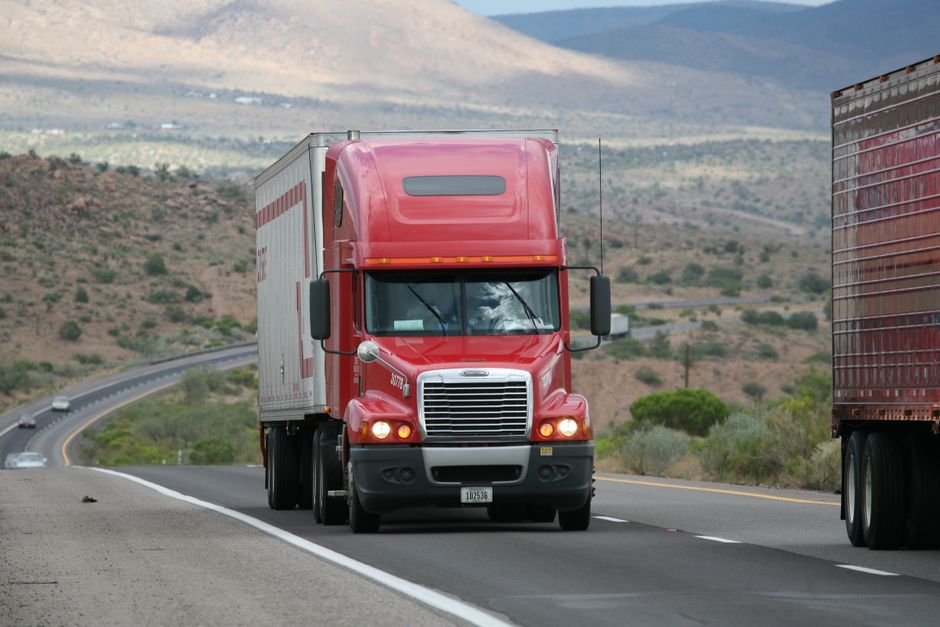
The prospect of autonomous trucks has captured the imagination of the freight industry for years. Advances in sensor technology, machine learning, and data processing have brought the vision of driverless lorries closer to reality. Yet, despite these technological breakthroughs, the path to large-scale deployment remains obstructed by significant economic and regulatory hurdles. This article examines the multifaceted challenges that autonomous trucking must overcome before it can become a mainstream component of logistics networks, with a focus on the United Kingdom context.
While the engineering feats behind autonomous driving systems are impressive, their integration into the commercial freight sector is not solely a matter of technical capability. The economic feasibility of autonomous trucks depends on a complex interplay of cost structures, operational models, and market acceptance. Similarly, the regulatory environment, which is still evolving, must address safety, liability, and infrastructure concerns before such vehicles can operate alongside traditional traffic. Understanding these barriers is essential for stakeholders, from fleet operators to policymakers, to navigate the future of freight transport.
The Economic Viability of Autonomous Trucking
The economic case for autonomous trucks often centres on reduced labour costs and increased operational efficiency. However, the initial capital expenditure required to acquire and maintain autonomous technology is substantial. Sensors, computing hardware, and specialised software add a significant premium to the cost of each vehicle compared to conventional trucks. Moreover, the rapid pace of technological change may lead to early obsolescence, requiring constant updates and replacements, further straining budgets.
Another economic consideration is the infrastructure investment necessary to support autonomous operations. Regions may need to upgrade roads, signage, and communication systems to ensure reliable vehicle-to-infrastructure communication. These costs are unlikely to be borne solely by private companies; public investment may be required, raising questions about the allocation of taxpayer money. Additionally, the operational model for autonomous trucks may not eliminate human involvement entirely. Remote monitoring and oversight teams would be needed, and their training and salaries introduce new cost factors.
Insurers also play a crucial role in economic viability. The risk profile of autonomous trucks is still under assessment, and until sufficient data is collected, premiums are likely to remain high. This uncertainty can deter investment, as unanticipated costs could emerge in the event of incidents. Furthermore, the potential for reduced employment opportunities for drivers raises concerns about the social and economic impact on communities, which may lead to public resistance that indirectly affects commercial prospects.
The total cost of ownership for autonomous trucks goes beyond the sticker price; it encompasses infrastructure, insurance, and societal costs that are yet to be fully quantified.
Regulatory Frameworks and Safety Standards
Regulatory hurdles are equally formidable. Autonomous vehicles must comply with a patchwork of national and international regulations, which are still in development. In the United Kingdom, the Department for Transport has published guidance, but binding legal frameworks for the deployment of autonomous trucks on public roads remain incomplete. Regulatory clarity is necessary to define safety standards, establish liability in accidents, and ensure data protection.
One of the primary regulatory challenges is establishing certification processes for autonomous systems. Authorities must determine how to validate the safety and reliability of software that relies on machine learning, which evolves over time. Traditional vehicle type approval procedures are not designed to assess self-learning algorithms. New testing and validation methodologies must be developed, requiring time and consensus among stakeholders.
Another area of regulatory concern is the transition period when autonomous and human-driven trucks share the roads. Rules of the road may need to be adapted to accommodate different modes of operation. For example, how should autonomous vehicles interact with law enforcement and emergency services? What communication protocols should be used? These questions require careful consideration through public consultation and legislative processes.
Data privacy is also a regulatory issue. Autonomous trucks generate vast amounts of data, including location, driving behaviour, and cargo information. Regulations must define who owns this data, how it can be used, and what safeguards are in place to prevent misuse. The General Data Protection Regulation (GDPR) in the UK provides a baseline, but specific guidelines for connected vehicles are still emerging.
Operational Integration and Public Acceptance
Beyond economics and regulation, the successful deployment of autonomous trucks depends on their seamless integration into existing logistics operations. Fleet management systems must be updated to handle autonomous vehicles, including scheduling maintenance and monitoring performance. The trucks must also be able to interface with existing infrastructure, such as distribution centres and ports, which may not be designed with automation in mind.
Public acceptance is another critical factor. Surveys indicate that many people are wary of sharing the road with driverless vehicles, especially large ones with significant kinetic energy. Building trust requires transparent communication about safety records, as well as demonstrable benefits such as reduced emissions or congestion. The industry may need to engage in extensive educational campaigns and collaborate with communities to address concerns.
Additionally, the workforce transition is a significant operational challenge. The prospect of job losses is a sensitive societal issue. While autonomy may create new roles, the transformation is likely to be disruptive. Skills retraining programmes and social safety nets would be necessary to support affected individuals. Without addressing these human elements, resistance from labour unions and the public could delay implementation efforts.
Future Outlook and Gradual Deployment
Given the multiplicity of hurdles, the deployment of autonomous trucks is likely to be gradual and phased. Early adoption may occur in controlled environments such as private logistics hubs or on dedicated lanes, where safety is easier to manage. This incremental approach allows for the accumulation of real-world data, refinement of technology, and gradual building of regulatory confidence.
In the longer term, legislative changes, improved infrastructure, and evolving public attitudes may pave the way for more widespread use. However, the timeline remains uncertain and contingent upon numerous factors. Companies such as AutoPulse Media, which cover the transport sector, should continue to provide balanced analysis of ongoing developments.
In summary, while technological breakthroughs have made autonomous trucks technically feasible, commercialisation is impeded by economic and regulatory challenges. Addressing these requires coordinated efforts from industry, government, and society. The future of autonomous trucking will be shaped by how effectively these hurdles are managed, and the journey is far from over.